A Telegram channel is a one-to-many feed with unlimited subscribers. Create it from the new-message button, choose public (with a t.me link) or private (invite only), invite up to 200 people yourself and grow from there with a clear topic, a regular posting rhythm, a discussion group for comments, polls and Stories. Owners can earn half of the ad revenue Telegram shows in their channels, plus sponsored posts and their own products.
Telegram channels are one of the few places where your posts reach every subscriber's chat list without an algorithm deciding who sees what. That makes them great for newsletters, news, education and communities — but it also means growth depends entirely on what you post and how you promote it. This guide covers setup, settings, content, growth and money, and links to our deeper article on growing a Telegram channel.
1. Creating a channel
Telegram's FAQ for channels says there is no cap on subscribers, posts are signed with the channel's name rather than yours, and new subscribers see the full message history.<!-- checked: 2026-10-16, https://telegram.org/faq_channels -->
To create one:
- iPhone: in Chats, tap the new-message icon (top right) → New Channel.
- Android: tap the round pencil icon in the chat list → New Channel.
- Desktop: open the menu → New Channel.
Then add a name, description and photo, and choose whether the channel is public or private.
2. Public or private?
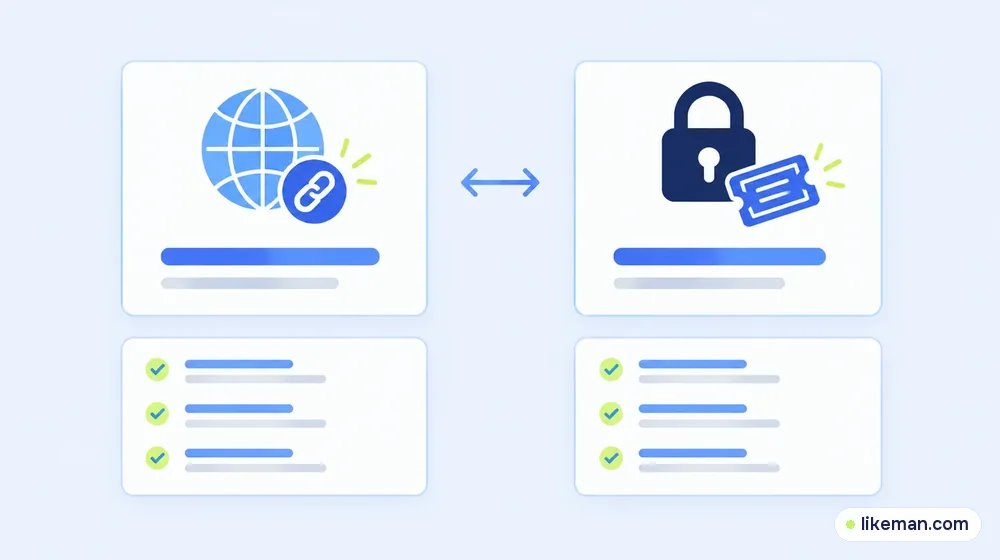
| Public channel | Private channel | |
|---|---|---|
| How people find it | Telegram search and a t.me/name link | Only through an invite link or by being added |
| Who can join | Anyone | People with the link or invited by the owner |
| Best for | Blogs, news, brands, media | Paid communities, courses, teams |
Telegram notes that private channels whose invite links are publicly available are treated like public channels in content disputes. Usernames for public channels can use the letters a–z, numbers and underscores; they're case-insensitive, though Telegram remembers your capitalisation.<!-- checked: 2026-10-16, https://telegram.org/faq -->
3. Your first 200 subscribers
The owner can add the first 200 subscribers manually from contacts. After that, the channel grows on its own through links and search. Telegram explicitly warns against sending channel links to strangers: if people report spam, your account may be restricted from contacting others.
Good ways to reach the first 200:
- Invite friends, colleagues and clients who genuinely care about the topic.
- Share the link on your other social profiles and email signature.
- Post your best piece of content first, so the first visitors see why to stay.
- Pin a welcome post that explains what the channel offers and how often you post.
4. Settings that matter
- Discussion group. Link a group to the channel and every post gets a comment button; comments appear in a thread and in the group, which helps admins keep conversations civil.
- Admin signatures. Posts show the channel name by default; turn on admin signatures if several people post.
- Administrators. Give each admin only the rights they need — posting, editing, deleting, adding members.
- Reactions. Choose which reactions are allowed, or turn them off.
The owner can broadcast, delete any message, add (the first 200) and remove subscribers, change the name, photo and link, and delete the channel; admin rights are set individually.
5. What the view counter means
Each post shows a view count. Views include forwarded copies of your post, so you can see how far it travelled. The numbers are approximate: after about four days Telegram "forgets" that someone viewed a post and counts them again if they return. That's why a post in a private channel with only you can show several views.
Use views to compare posts, not as an exact audience count. A practical benchmark is the share of subscribers who view an average post within a few days: if it falls month after month, readers may be muting the channel, and it's time to rethink frequency or format. Average views per post over a week is the most useful number for you — and for advertisers.
6. Content that keeps subscribers

Telegram readers scroll quickly through many channels. What works:
- Short paragraphs and formatting. Bold the key line; break walls of text.
- A recurring structure. Daily tip, weekly deep dive, Friday poll — subscribers learn the rhythm.
- Original insight. Reposting news without comment gives people no reason to read you instead of the source.
- Media with purpose. Screenshots, charts and short videos that explain faster than text.
- Scheduled posts. Hold the send button to schedule; keep a queue for busy days.
7. Polls, Stories and other tools
Polls in channels and groups support anonymous or visible votes, multiple answers and quiz mode. Telegram's March 2026 update added media in questions and answers, time limits, hidden results until the end, shuffled answers, the option to block re-voting and more; past and active polls now have their own tab in the channel profile.<!-- checked: 2026-10-16, https://telegram.org/blog/ai-editor-mighty-polls-and-more -->
Stories last 6, 12, 24 or 48 hours and can stay on the profile or go to an archive. Channels can post Stories too, but they need boosts from subscribers with Telegram Premium to unlock them.<!-- checked: 2026-10-16, https://telegram.org/tour/stories -->
Bots can add buttons, run giveaways or handle sign-ups — use well-known ones and give them only the permissions they need.
8. Growing beyond the first 200
Our detailed guide on growing a Telegram channel covers 12 methods. The essentials:
- Cross-promotion with channels of a similar size and topic.
- Guest posts — write for a bigger channel and link back to yours.
- Your other platforms — a short video or post that teases a channel-only piece.
- A clear name and description that contain the topic people search for.
- Regularity — channels that post on a rhythm keep subscribers; silent channels lose them.
- Comments and polls — involvement turns readers into advocates who forward your posts.
9. Channels vs groups
| Channel | Group | |
|---|---|---|
| Who posts | Owner and admins | All members (unless restricted) |
| Best for | Broadcasting: news, lessons, updates | Discussion and community |
| Message author | Channel name | Each member |
| Typical use together | Main feed | Linked discussion group for comments |
Most successful projects use both: the channel carries the content, the linked group carries the conversation. If you only need a chat, start with a group; if you have something to say regularly, start with a channel.
10. Writing posts people forward
Forwarding is Telegram's built-in word of mouth, and forwarded views are counted on your post. Posts that get forwarded tend to be:
- Self-contained — they make sense without the rest of the channel.
- Useful to someone else — a checklist, a price comparison, a how-to.
- Short enough to read in a minute, with one clear takeaway.
- Signed by your channel so the recipient knows where it came from.
End important posts with a gentle line such as "Forward this to someone who needs it" — not on every post, only on the ones that genuinely help.
11. Reading channel statistics
Larger channels get a statistics page with growth, views and sources. Even before that, you can track simple numbers yourself: average views per post, new subscribers per week and how many people react or comment. Compare weeks, not single posts. If views drop while subscribers stay flat, your posts may be too long or too frequent; if subscribers stop growing, invest more in cross-promotion and content that people forward.
12. Telegram for businesses
Businesses use channels for announcements and offers, groups for customer communities and bots for orders or support. A few practices help:
- Keep the channel for updates customers actually want — new products, availability, useful tips — not daily ads.
- Answer questions in the linked group publicly; one answer helps many readers.
- Use a bot or a dedicated support account for private requests, and say so in the channel description.
- Be clear about prices, delivery and returns in a pinned post.
Naming and describing your channel
The name and description do most of the work in Telegram search and in shared links. Put the topic first — "Budget Travel Europe" says more than "Wanderlust Notes" — and keep the name short enough to read in a chat list. In the description, answer three questions in two lines: the topic, the posting rhythm and the reader you have in mind. For public channels, pick a username that's easy to say aloud and type; avoid random numbers and confusing underscores.
Building rubrics
Rubrics — recurring post types — make a channel easy to follow and easier to write. A simple weekly grid:
- Monday: one practical tip.
- Wednesday: a deep dive or case study.
- Friday: a poll or question for subscribers.
- Weekend: behind the scenes or a short personal note.
Subscribers start to expect the rhythm, and you never face an empty page. Review rubrics every month: keep the ones with the best average views, replace the weakest.
13. Earning from a channel
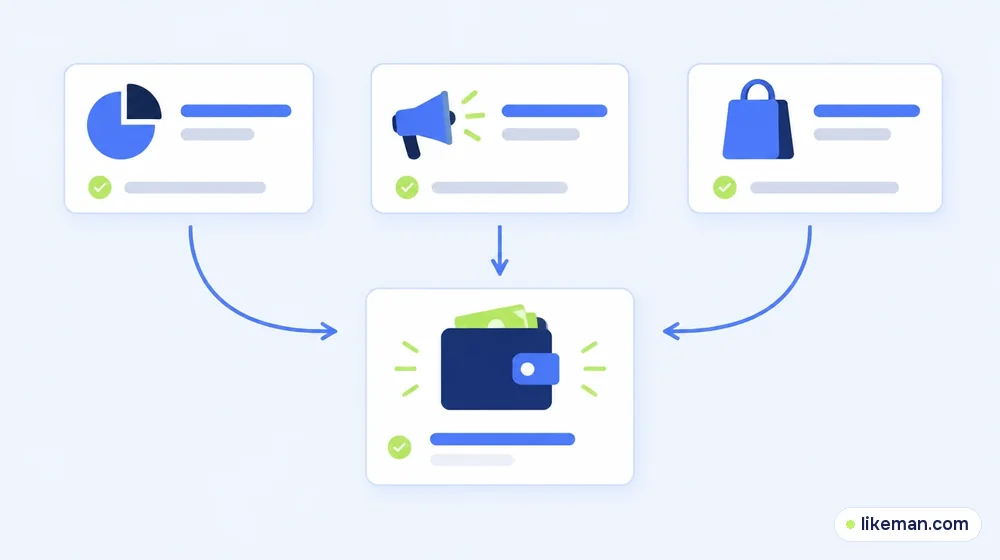
- Ad revenue sharing. Telegram states that channel and bot owners can receive 50% of the revenue from ads displayed in their channels and bots.<!-- checked: 2026-10-16, https://core.telegram.org/api/revenue -->
- Sponsored posts. Brands pay you directly for posts; price usually follows average views per post.
- Your own products. Courses, consultations, digital products, a paid private channel.
Whatever you sell, be transparent: mark sponsored posts clearly, and follow the advertising rules in your country.
Cross-promotion done right
Swapping mentions with other channels is the most common way Telegram channels grow, and it works best with a little care:
- Choose partners by audience, not size. A channel with 2,000 engaged readers in your exact niche beats one with 50,000 in a loosely related topic.
- Write a native post, not a generic ad: explain in a few lines why their readers would enjoy your channel and link one of your best posts.
- Check average views on the partner's recent posts rather than their subscriber count.
- Track results with a separate invite link for each partner, so you know which swap actually brought readers.
- Repeat with the partners that worked every couple of months.
Avoid buying placements in channels whose view counts don't match their size — those audiences rarely convert into readers.
14. A 30-day launch plan
| Week | Focus | Goal |
|---|---|---|
| 1 | Create the channel, write the welcome post, prepare 10 posts | Channel ready, first 50 subscribers |
| 2 | Post daily; link a discussion group; run a first poll | Comments on most posts |
| 3 | Cross-promote with 2 similar channels | 200+ subscribers |
| 4 | Review average views; plan next month's rubrics | A content rhythm you can keep |
15. Mistakes that stall channels
- Posting irregularly — long silences lead to unsubscribes.
- Copying news without your own take.
- Spamming links to strangers — Telegram may restrict your account.
- Running a channel with no way to give feedback.
- Measuring success by subscriber count instead of average views.
16. Keeping your channel safe
- Turn on two-step verification (cloud password) for the owner account.
- Never share login codes, even with "support" — Telegram doesn't ask for them in chats.
- Give admins only the rights they need, so one compromised admin can't take over the channel.
- Keep a backup admin you trust in case you lose access to your phone.
- Review the admin list every few months and remove people who no longer help with the channel.
How it works at LikeMan
Our work is growth services — we don't run channels for clients. On our Telegram page you'll find channel members, premium members, post views, reactions, poll votes, comments, Story views and boosts. Orders need only the channel or post URL; login codes are never requested. You see the price before you pay, delivery starts automatically, and drops in the first year are refilled. A channel with five members looks empty to newcomers; a starting base helps first visitors stay while your posts do the real work.
FAQ
How many subscribers can a Telegram channel have?
Unlimited. The owner can add the first 200 manually; after that, people join through links and search.
What's the difference between a public and a private channel?
Public channels have a username and can be found in search; private channels need an invite link or an invitation from the owner.
Can people comment on channel posts?
Yes, if you link a discussion group — each post then gets a comment button.
Are Telegram view counts exact?
No. They include forwards and count people again after about four days, so they're approximate.
Should I start a channel or a group?
Start a channel if you'll post regularly and want a clean feed; add a linked group for comments. Start with a group if your project is mainly conversation.
How often should I post in a channel?
Daily or a few times a week works for most topics. More important than frequency is keeping the rhythm subscribers expect.
Can I earn money from a Telegram channel?
Yes. Telegram shares 50% of ad revenue shown in channels, and you can sell sponsored posts and your own products.
Conclusion
A Telegram channel gives you a direct line to every subscriber. Choose public or private, invite your first 200 thoughtfully, link a discussion group, post on a rhythm with polls and Stories, and grow through cross-promotion and your other platforms. Use average views as your compass — for growth and for earning.